
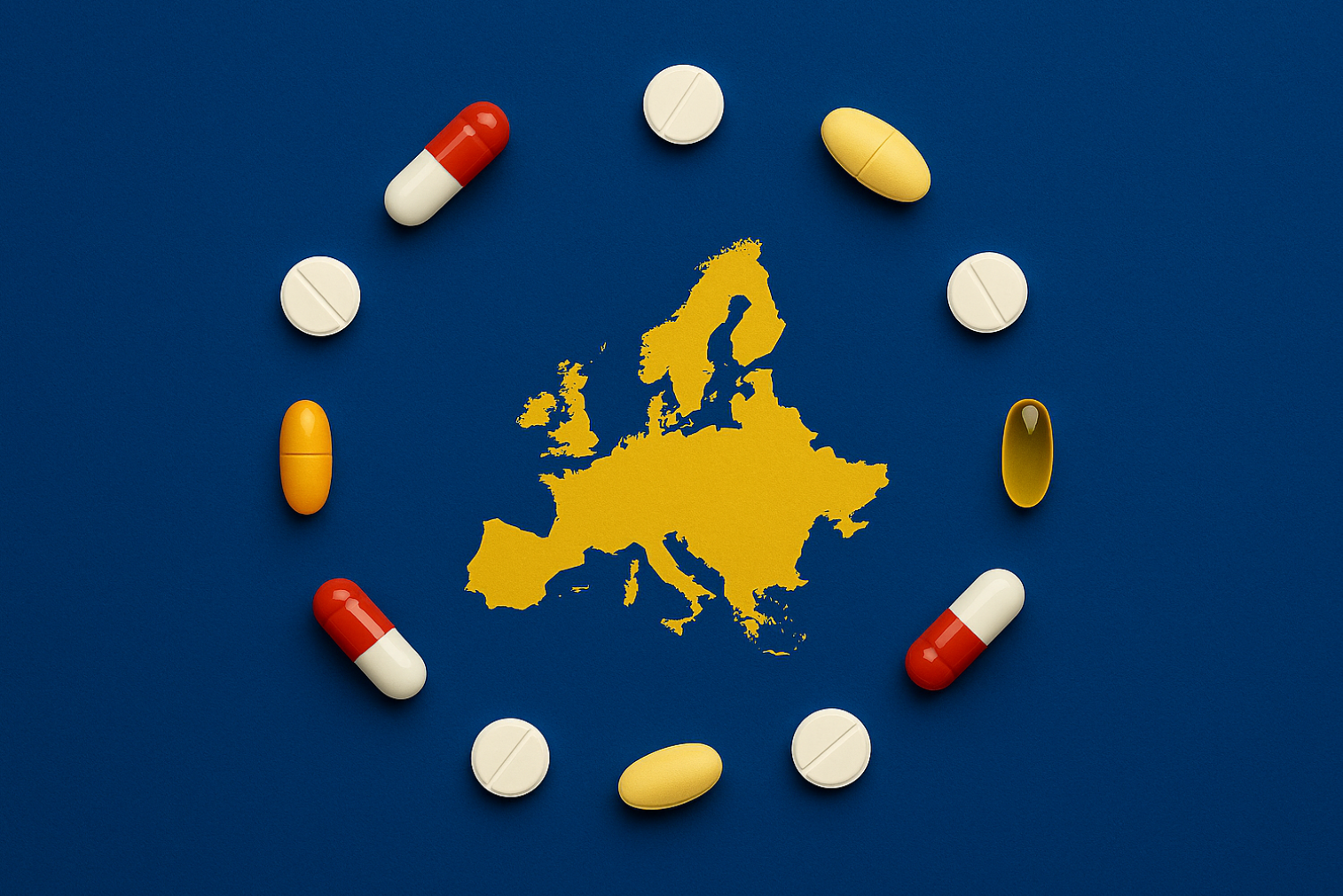
The EU has just brought an overhaul of pharmaceutical rules to speed up patient access to medicines, especially those at lower costs, and reduce rivalry [1]. While the changes aim to benefit patients, this can impact biotech ventures through incentives, valuations, and strategy [2].
Previously, businesses had a guaranteed number of years where competitors could not use their data or copy their products - this data exclusivity period is a big part of what makes drug development financially viable [3]
Under new rules, this extra protection is cut shorter, with the EU only giving additional protection if companies meet strict launch and access criteria, including if they:
Early-stage biotech ventures depend heavily on the time they have before generics or competitors enter the market, using it to attract investors, grow the company and earn revenue [4].
If this window shortens, the company’s value shrinks too, as less time on the market reduces potential revenue and valuations [3, 4]. Despite allowing for cheaper generics and biosimilar manufacturers to enter the market earlier without being sued, this does makes fundraising harder for biotech innovators, especially upon entering the market with a new product [1, 3, 4].
Founders now need to integrate regulatory and commercial strategy, perhaps in preclinical stages [1, 4]. Decisions about whether to focus on EU, UK or US approvals are now critical, and investors may expect further clarifications on launch timings, market access strategies and approval plans [1, 4].
Big pharma can handle the shorter exclusivities due to having multiple products on the market, large cash reserves and a global reach outside the EU [1, 3]. As mentioned previously, biosimilar manufacturers also benefit as they can enter the market earlier, improving patient access to medicines [1,3].
Diagnostics and digital health companies benefit when they position themselves as tools that help accelerate drug approval, patient access, or evidence generation [5]. Synbio and industrial biotech companies also remain unaffected when working with ingredients, enzymes and materials, not having to rely on exclusivity windows [6].
Meanwhile, early innovators developing first-in-class drugs or rare disease therapies face higher risk [1].
Whilst the EU’s goals is to improve access for patients, it can make early biotech innovation difficult [1]. If start-ups don’t adapt their strategies straightaway, funding, valuation and overall entry into the market can become very challenging [4].
This is exactly the type of environment where strategic guidance becomes critical - founders need clear data, realistic planning, and support navigating a regulatory landscape that may become more demanding in the new year ahead.