
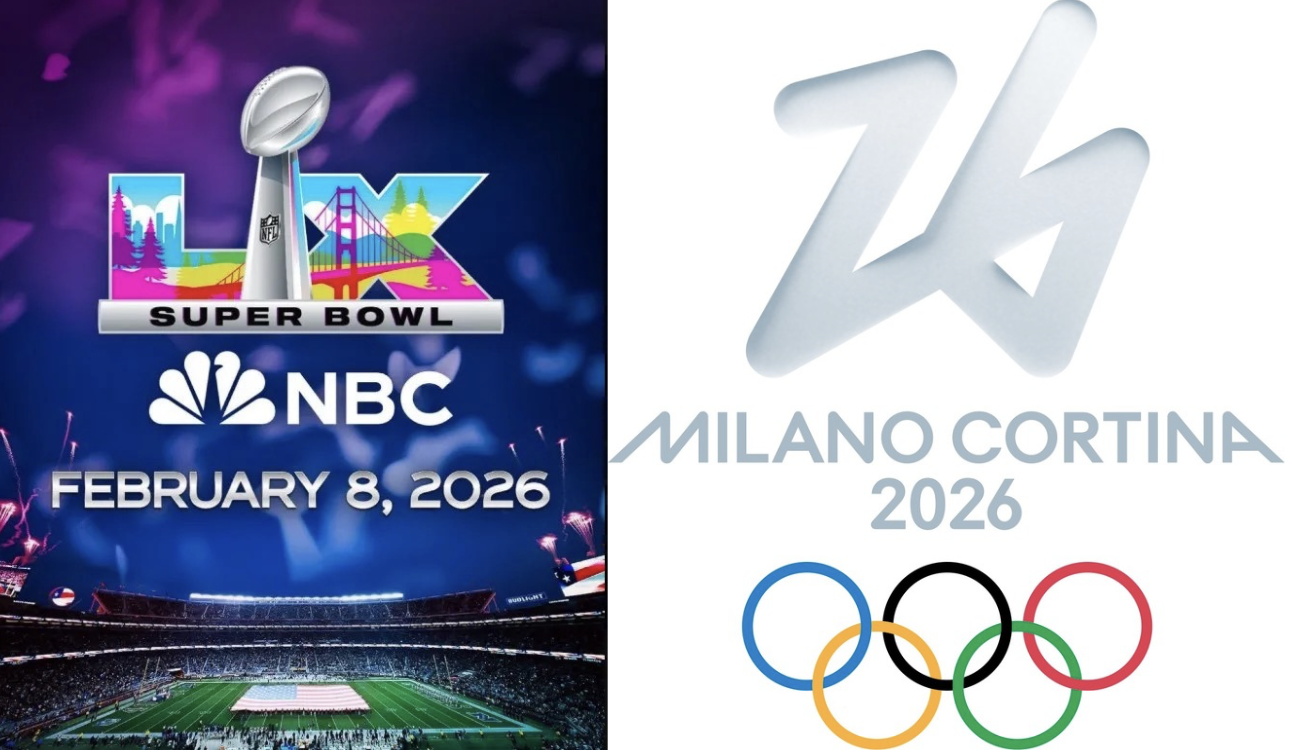
The start of 2026 brought a succession of major sporting events, including the 2026 Super Bowl and the Milan Cortina Olympics. In the US, both events were aired on the NBC TV channel. According to the US National Football League, the 2026 Super Bowl attracted nearly 125 million viewers, making it the second-most-watched show in US history (just behind the 2025 Super Bowl)1. Similarly, the 2026 Winter Olympics in Italy reportedly have an average US viewership of 24 million2. Advertising slots during the airing of these events are in high demand, with advertising inventory sold out months before the actual event12. This also means the cost of securing a slot is high: a 30-second advertising slot in the 2026 Super Bowl could cost upwards of £6M3.
Nevertheless, several pharmaceutical companies have decided to spend big on advertisements during these major sporting events456:
| Event | Company | Main aim | Link to watch |
|---|---|---|---|
| Super Bowl | Novo Nordisk | Promote Wegovy pill | Watch ↗ |
| Novartis | Raise awareness for prostate cancer screening | Watch ↗ | |
| Boehringer Ingelheim (BI) | Raise awareness for kidney function monitoring | Watch ↗ | |
| Sun Pharma | Raise awareness for skin cancer | N/A | |
| Winter Olympics | Novo Nordisk | Promote Wegovy pill | Watch ↗ |
| Eli Lilly | Promote corporate image | Watch ↗ |
Of the pharmaceutical Super Bowl adverts, Novo’s advert stands out as the only campaign aimed to promote a branded drug, the Wegovy weight-loss pill5. Adverts by Novartis, BI, and Sun Pharma were all unbranded disease awareness campaigns67. The purpose of these campaigns is two-fold. First, they could indirectly drive sales of the company’s drugs. Novartis’ campaign could help boost sales of its newest prostate cancer drug, Pluvicto7. BI’s campaign could help drive sales of Jardiance, a drug codeveloped with Eli Lilly, which received FDA approval for chronic kidney disease in 20238. Second, the campaign may help the company build credibility as a major player in a disease area. Sun Pharma has a portfolio rich in skin cancer offerings. The company’s Super Bowl advert directed attention to its support resources for patients, which could help establish the company’s reputation in the skin cancer area.
Eli Lilly’s Olympics advert is more explicit in promoting its corporate image4. The one-minute advert, which premiered during NBC’s broadcast of the game’s opening ceremony, likened scientific rigour to athletic rigour. This helps consolidate Lilly’s image as a company that places science at the front and centre.
Despite having different agendas, these adverts were all designed to appeal to the general public, rather than specialist professionals. They are not much different from creative advertisements for consumer products. Novo’s advert featured various celebrities, chosen for their “ability to connect with the audience” 5. Novartis’ advert, with the slogan “relax your tight end”, was described by Fierce Pharma as “cheeky”6.
It is important to note that public-friendly advertising campaigns for branded drugs, like that from Novo Nordisk, will not be permitted in most countries. The US and New Zealand are the only two developed countries that allow prescription drugs to be directly promoted to consumers9. Most countries place guardrails to protect consumers unable to make fully-informed decisions from influential drug marketing. Pharmaceutical companies could only promote drugs to healthcare professionals who are licensed to prescribe medicines.
In most countries, drug manufacturers cannot directly advertise drugs to consumers. However, as pharmaceutical advertisements during the 2026 Super Bowl and Olympics show, there are ways to lawfully target consumers and indirectly boost drug sales: raising disease awareness and building a strong corporate reputation. Drug manufacturers could be as creative as consumer product companies when launching these advertising campaigns.